
Alvar Aalto’s Sunila Moves Closer to UNESCO World Heritage Status
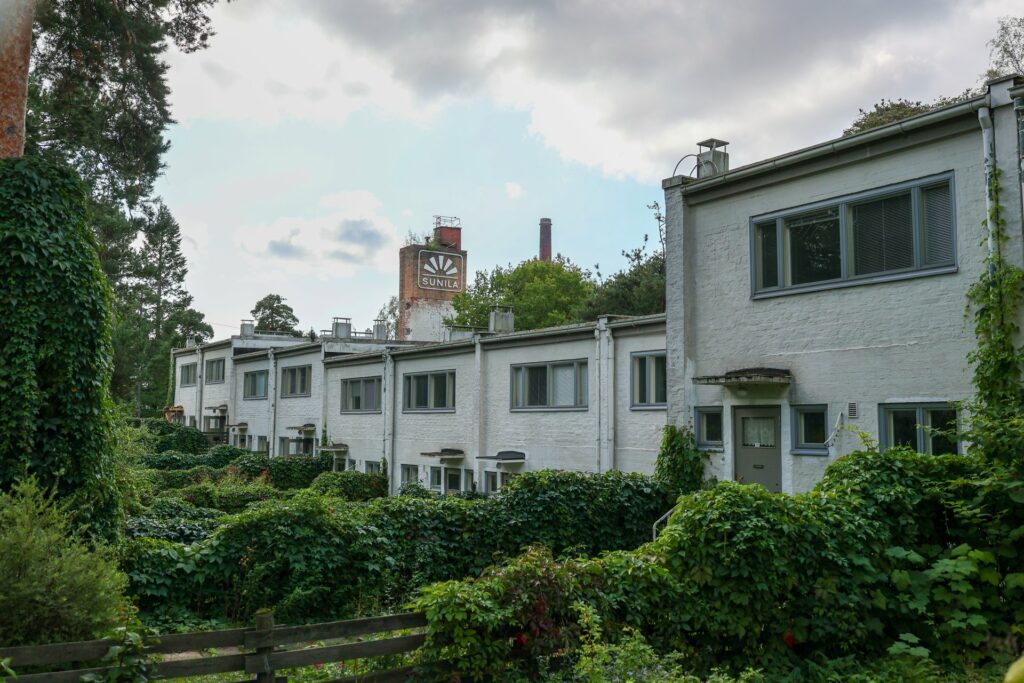
The Sunila residential area in Kotka, widely regarded as the most extensive completed work of renowned Finnish architect Alvar Aalto, is one step closer to becoming a UNESCO World Heritage Site. Sunila is part of the “Aalto Works” serial nomination, which brings together some of Finland’s most significant modernist architectural sites.
On Monday, June 8, encouraging news arrived as ICOMOS, the advisory body to the UNESCO World Heritage Committee, recommended that the Aalto Works ensemble be inscribed on the World Heritage List. The nomination includes 13 modernist sites designed by Alvar, Aino, and Elissa Aalto. The final decision will be made at the end of July.
Sunila is a unique architectural and industrial heritage site
Sunila is known as the most beautiful industrial environment in the world. The area combines the iconic Sunila pulp mill with a harmonious residential district immersed in a coastal pine forest. Completed in 1939, this functionalist neighbourhood showcases the seamless integration of architecture, nature, and everyday living. Located just a short cycling distance from Kotka city services, Sunila offers a rare opportunity to experience Finnish modernism in an authentic setting.
Stay with Alvar Aalto to experience design and history
Visitors to Sunila can explore a range of architecturally significant buildings, including:
Kantola, the former residence of the factory director, a seaside sauna by the Baltic Sea, Twelve row houses and apartment buildings
Experience the atmosphere of Aalto design by booking an overnight stay in apartments furnished in the style of Aino and Alvar Aalto, or by visiting Kantola. The venue is also available for private events, meetings, training sessions, and special occasions.
Welcome to Sunila Aalto Homes Open House Event August 29–30
At the end of August, the popular Sunila Aalto Homes event invites visitors to step inside unique and stylish homes in the area. During this special weekend, guests can explore interiors that reflect timeless Finnish design and modernist living. Secure your tickets in advance and discover why Sunila continues to inspire architecture and design enthusiasts from around the world.
Nature and attractions within easy reach
Sunila is not only an architectural destination but also a perfect base for exploring nearby nature and attractions:
Äijänniemi Beach – a scenic seaside swimming spot within cycling distance
Karhula River Park and Rapids Park – ideal for outdoor activities
Langinkoski Imperial Fishing Lodge – a historic site once visited by Russian emperors
Frequently Asked Questions about Sunila in Kotka, Finland
What is Sunila in Kotka, Finland?
Sunila is a residential and industrial area in Kotka, Finland, designed by Alvar Aalto and regarded as his most extensive realized design work. The area combines modernist architecture, coastal forest scenery, and the historic Sunila pulp mill into one internationally recognised architectural ensemble.
Why is Sunila important in Alvar Aalto’s architecture?
Sunila is considered one of the most significant examples of Aalto’s international modernism and one of the most complete Aalto-designed environments in Finland.
It was created in the late 1930s as a forested residential area for factory workers, engineers, and management, with architecture and nature designed to work in harmony.
Is Sunila a UNESCO World Heritage Site?
Sunila is not yet a UNESCO World Heritage Site, but it is part of the Aalto Works serial nomination.
ICOMOS has recommended the Aalto Works nomination for inscription, and the final UNESCO decision is expected at the end of July.
What is included in the Aalto Works UNESCO nomination?
The Aalto Works serial nomination consists of 13 buildings or sites representing modern architecture designed by Alvar, Aino, and Elissa Aalto. Sunila in Kotka is one of the nominated sites and is often highlighted as Aalto’s largest completed design project.
FAQ: Visiting Sunila in Kotka, Finland – Alvar Aalto, UNESCO and Architecture Travel
What can visitors see in Sunila?
Visitors can explore the Sunila residential area, the factory manager’s residence Kantola, the beach sauna, 12 row houses and apartment buildings, and architecturally distinctive service buildings.
The area is known for its white functionalist buildings, maritime location, expansive green spaces, and majestic pine forest setting.
Can you stay overnight in Sunila?
Yes, visitors can stay overnight in Sunila in carefully restored apartments inspired by the style of Aino and Alvar Aalto. Sunila by Aalto offers accommodation in restored 45 m² apartments that combine original architectural character with modern comfort.
Where is Sunila located?
Sunila is located in Kotka on Finland’s East Coast, in a maritime and green setting surrounded by forest and close to the sea. The area is about 10 kilometres from Kotka city centre and roughly a 10-minute drive from central services.
Can you visit Kantola in Sunila?
Yes, Kantola is one of the best-known buildings in Sunila and was originally the residence of the factory manager. Today, Kantola can be visited for events, meetings, training sessions, exhibitions, concerts, and pre-booked architect brunch experiences, and it also offers accommodation by arrangement.
How to get to Sunila from Helsinki, Finland by car?
Sunila in Kotka is located approximately 130 kilometres east of Helsinki and is easy to reach by car or public transport.
By car, the journey from Helsinki to Sunila takes around 1.5 hours via the E18 motorway towards Kotka. This is the most direct and convenient option, especially for visitors exploring multiple destinations along Finland’s East Coast.
How to get to Sunila from Helsinki by bus and train?
Travelling from Helsinki to Sunila by public transport is convenient and eco-friendly, with smooth connections via Kouvola or Kotka/Karhula.
By bus:
Take a long-distance bus from Helsinki (Kamppi bus station)
- Operators run frequent services to Kotka and Karhula
- Travel time: approx. 1.5–2 hours
Arrive in Karhula or Kotka
- From Karhula bus station, Sunila is very close (approx. 3–5 km)
- From Kotka city centre, distance is approx. 10 km
Continue to Sunila
- Local bus connection towards Sunila
- Taxi or bicycle for a quicker transfer
- About 40 minute walk
By Train:
- Take a train from Helsinki to Kouvola
- Depart from Helsinki Central Railway Station (Helsinki C)
- Choose an InterCity or Pendolino train toward Kouvola
- Travel time: approx. 1 hour 15 minutes
- Change at Kouvola to a connecting train or bus to Kotka
You have two options:- Train to Kotka/Port (Kotka Satama)
- or bus from Kouvola to Kotka or Karhula
- From Kotka or Karhula to Sunila
- Take a local bus towards Sunila
- Alternatively, use a taxi (approx. 10–15 minutes)
- Cycling is also possible from Kotka centre (approx. 10 km)
What is the Sunila Aalto Homes event?
The Sunila Aalto Homes event is an annual architecture and design event where selected private homes in Sunila open to visitors. In 2026, the event takes place on 29–30 August from 11 am to 5 pm, inviting visitors to discover unique Aalto-inspired homes in this maritime modernist neighbourhood.
What are the best nearby attractions to Sunila?
From Sunila, visitors can easily reach Äijänniemi Beach, Karhula River Park, Karhula Rapids Park, and the Langinkoski Imperial Fishing Lodge by bike. Sunila is also a good base for exploring Kotka’s parks, cultural attractions, and the wider East Coast of Finland.
Is Sunila worth visiting for architecture and design travellers?
Yes, Sunila is an exceptional destination for travellers interested in Finnish architecture, design history, and Alvar Aalto’s work. The area offers a rare chance to experience modernist architecture, stay overnight in an Aalto-inspired interior, and explore a culturally significant site in an authentic living environment.
When was Sunila built?
Sunila’s residential area was completed in the late 1930s, and the area featured in international exhibitions in Paris and New York during that era. The neighbourhood completed in 1939 still stands as a landmark of functionalist architecture in Finland.


Did you find what you were looking for?