

The Baltic Perspective on Regenerative Tourism - from principles to strategic and practical action for destinations
James Simpson, Project Leader, RegenT project (Novia University of Applied Sciences)
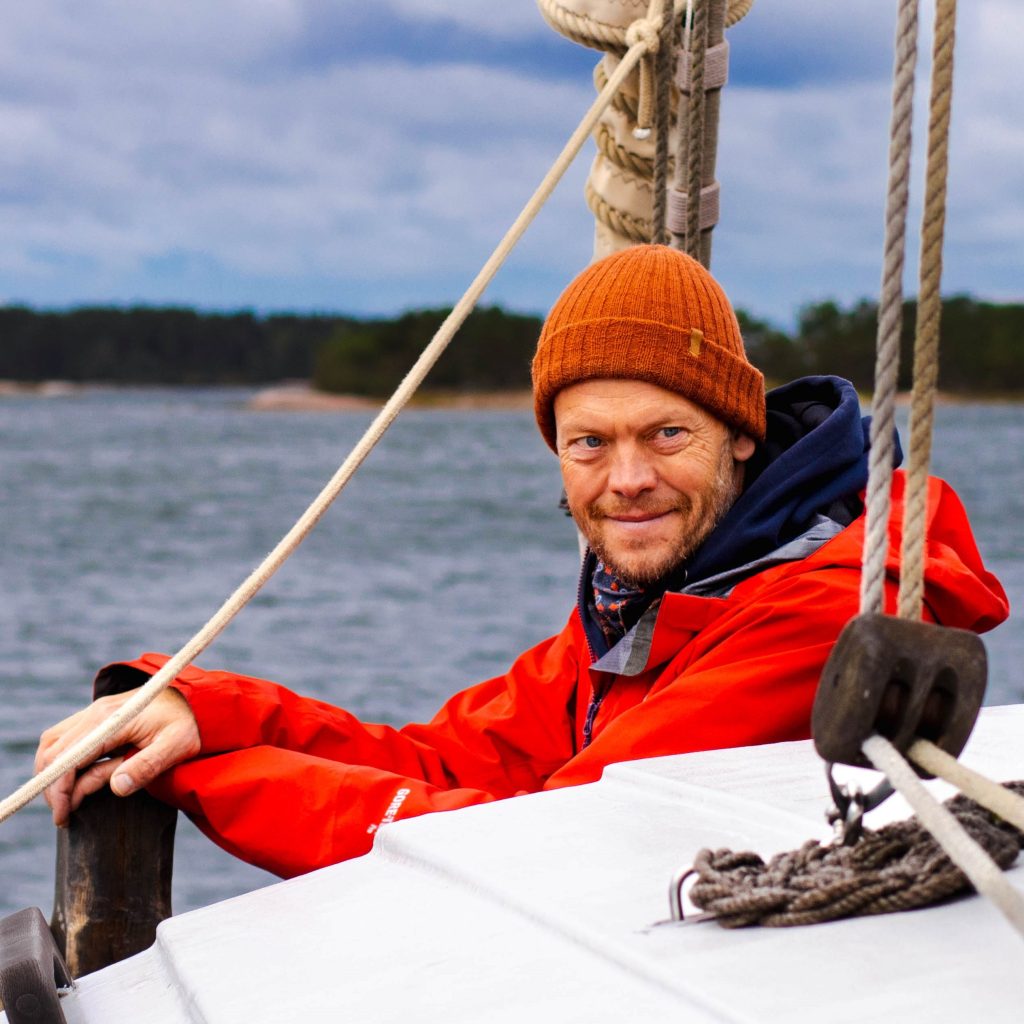
Speaker:
James Simpson is the project leader and team leader at the Faculty of Business. He has extensive experience working with tourism development in rural areas in Finland and international projects, and holds an M.A. from Glasgow University and a master’s degree in Outdoor Education from Linköping University.
Simpson has previously worked with capacity building projects for small and medium-sized tourism companies, focusing on resilience and sustainability, quality and season extension, as well as new product and service concepts, digitalization, and distribution channels. Several of the resulting new products and packages are sold through international tour operators. He has also previously worked with the development of hiking, walking, and cultural trails, as well as digitalized concepts and tourist services along these trails.
Workshop description
This session explores how destinations in the Baltic Sea Region are moving from sustainable tourism towards regenerative tourism – an approach that goes beyond reducing harm to actively strengthening local communities, ecosystems and place identity.
The Baltic context offers a particularly relevant perspective: many destinations are characterised by sensitive natural environments, strong local cultures, dispersed tourism structures, and collaboration opportunities between public authorities, DMOs, SMEs and communities. These conditions have driven practical, place-based solutions that are highly transferable to other European regions.
The session starts with a brief introduction highlighting key insights from the RegenT – Integrating Regenerative Practices in Tourism project and partner regions across the Baltic Sea Region. The introduction will focus on:
- What regenerative tourism means in practice for destinations and DMOs
- Emerging good practices from the Baltic Sea Region
- Common challenges and leverage points for regional and destination-level action
This is followed by a hands-on workshop, where participants work transnationally in small groups to translate regenerative thinking into concrete destination actions.
Through guided reflection and peer exchange, participants will:
- Identify one or two regenerative opportunities relevant to their own destination or region
- Explore practical actions DMOs and regional developers can take within their current mandates
- Take home a simple, actionable framework or checklist to support next steps in regenerative destination development
The session is designed to be interactive and practical, offering inspiration and tools from RegenT’s Regenerative Tourism Knowledge Hub that participants can apply in their own regional and destination contexts.
Did you find what you were looking for?